1. The Fundamental Difference: Innovative Material vs. Classic Tradition
Ceramic heating coils utilize an integrated porous ceramic structure that functions as both the heating and wicking medium, enabling low-temperature, even heating. Cotton coils consist of a resistive metal wire wrapped with organic cotton, relying on the cotton to wick liquid to the concentrated heat of the wire. This is the root of all subsequent performance variations.
2. Core Advantage Comparison: Durability vs. Initial Impact
-
Ceramic Coils: Known for exceptional lifespan, superior stability, and a consistently pure flavor profile.
-
Cotton Coils: Advantage lies in lower initial cost, a more intense initial flavor burst, and broad device compatibility.
3. How Ceramic Coils Work: Uniformity is Key
The core principle is the combination of resistive heating and a porous structure. An electric current heats an embedded circuit within the ceramic, and this heat is uniformly transferred through a network of micron-sized pores to the absorbed liquid (e.g., e-liquid), enabling efficient and stable vaporization or heating while minimizing the risk of localized hot spots.
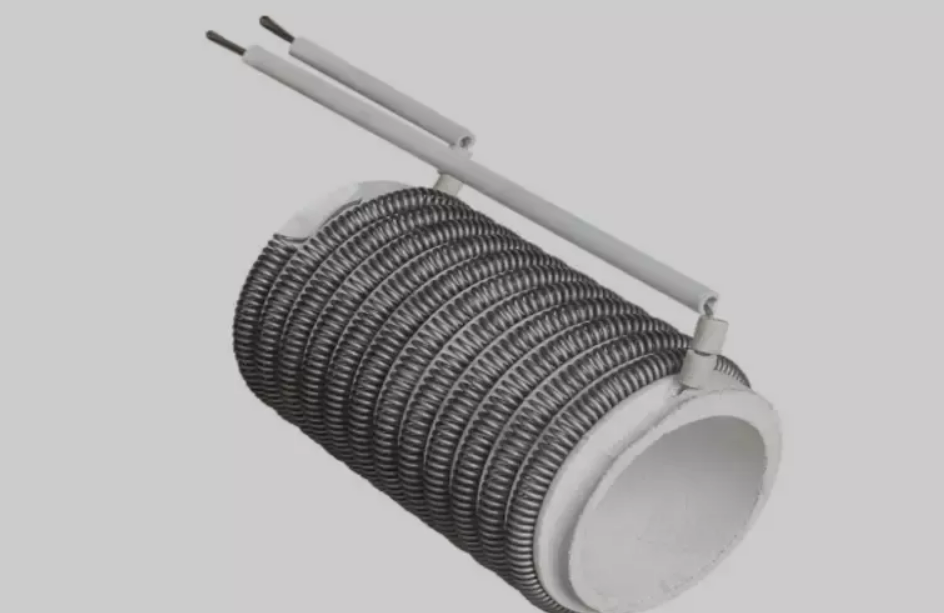
4. The Superior Performance of Ceramic: Rooted in Material Science
-
Extreme Temperature Tolerance: Made from materials like alumina or silicon carbide, ceramic coils can continuously withstand temperatures exceeding 1700°C without deforming or melting.
-
Excellent Mechanical Strength: With a compressive strength of up to 2-4 GPa, they can endure vibration and stress in industrial settings, though their inherent brittleness requires careful handling against impact.
-
Stable Chemical & Electrical Properties: High electrical resistivity (10¹²-10¹⁸ Ω·m) and excellent corrosion resistance ensure safe, stable operation in diverse environments.
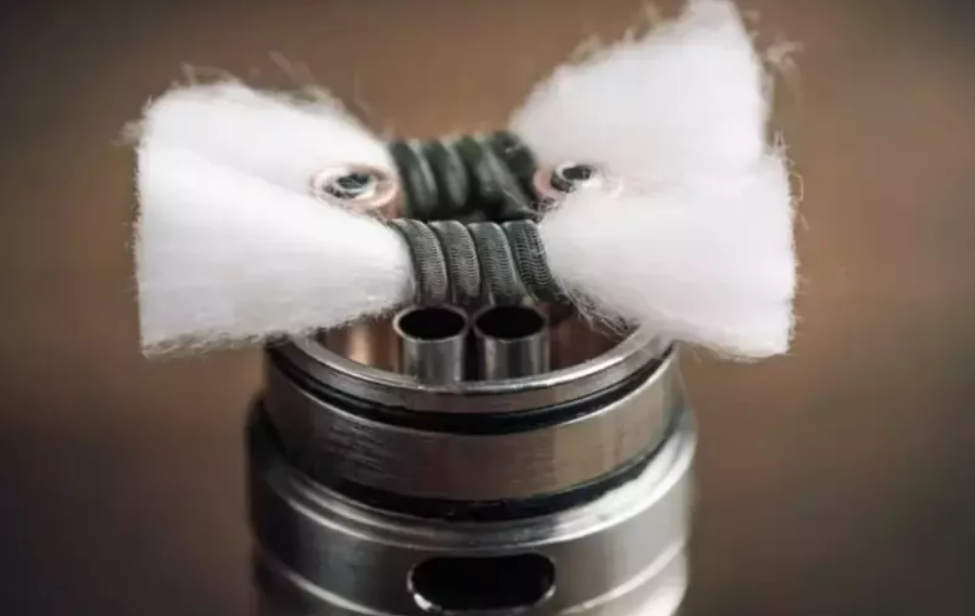
Cotton heating coil
5. The User Experience: Purity and Longevity
For vaping users, ceramic coils deliver a highly authentic, nuanced, and remarkably consistent flavor experience from first puff to last. Their porous structure significantly reduces "dry hits" caused by poor wicking, enhancing overall safety.
6. The Limitations of Cotton Coils: Degradation and Maintenance
The primary drawback of cotton coils stems from the natural limitations of organic material: with use, the fibers carbonize and accumulate residue, leading to rapid flavor degradation and a burnt taste. This necessitates frequent replacement and upkeep, resulting in higher long-term cost and time investment.
7. Direct Comparison at a Glance
8. Why the Shift Towards Ceramic in Many Fields?
As noted by a manufacturing operations engineer: "After switching our system heating elements to ceramic coils, replacement frequency dropped by 75% and energy waste was reduced by 35%." This is due to the lower total cost of ownership, higher reliability, and more consistent output quality delivered by ceramic materials.
9. Key Application Scenarios
-
High-End Vaping Devices: The preferred choice for safety, flavor purity, and convenience.
-
Precision Industrial Heating: Used in industrial ovens, kilns, and medical sterilization equipment requiring temperature stability and corrosion resistance.
-
Durable Home Appliances: Such as long-lasting, scale-resistant water heating elements.
10. Final Verdict: How to Choose?
Your choice depends on your core priority:
-
Choose Ceramic Heating Coils if you value long-term durability, flavor stability, enhanced safety, and lower total cost of ownership most highly.
-
Choose Cotton Heating Coils if you have a limited initial budget, desire a strong initial flavor impact, enjoy the DIY aspect of coil changes, or require only short-term, intermittent use.

